
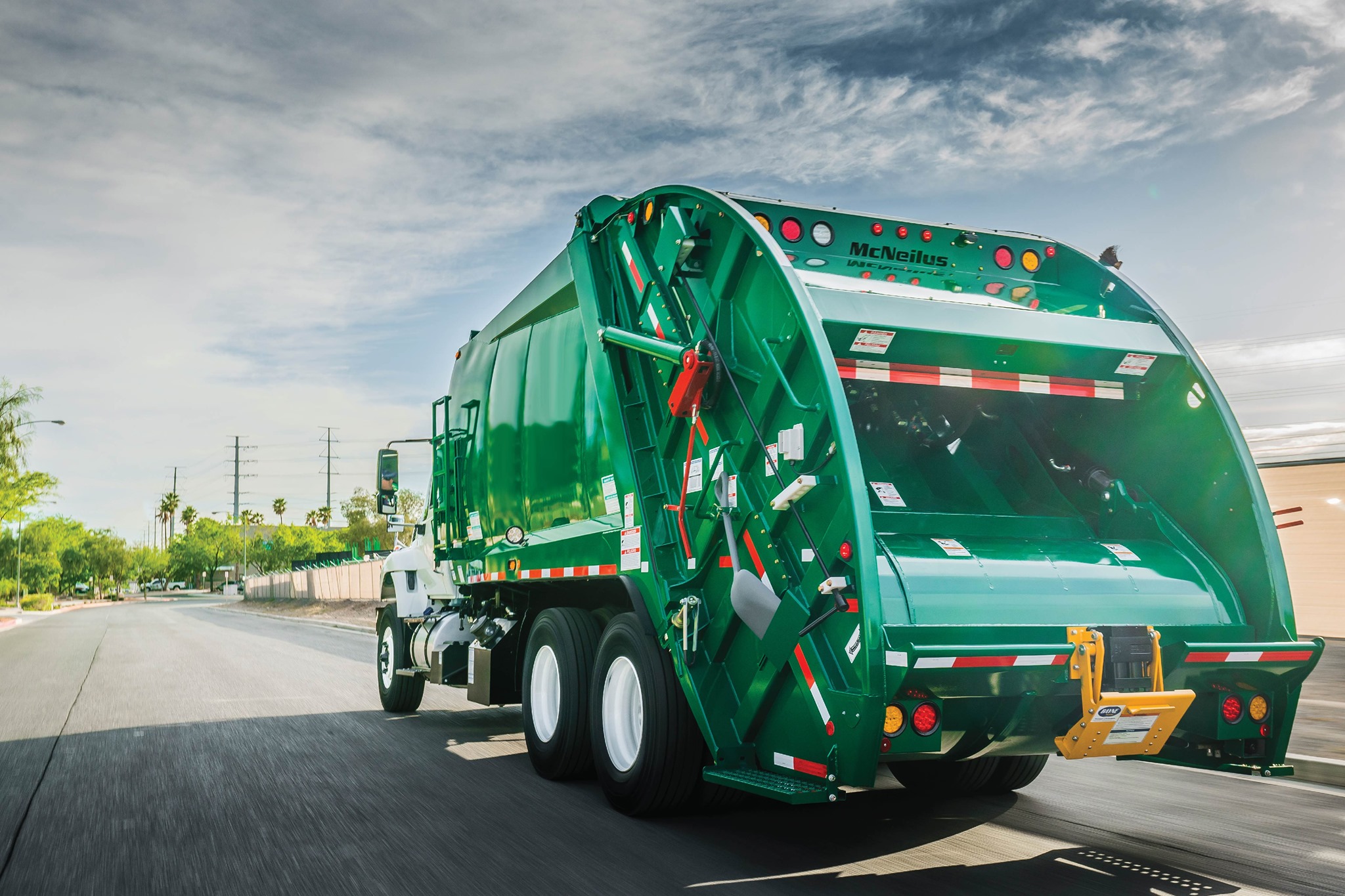
Waste collection is a critical service in every community. From small towns to large cities, efficient garbage collection ensures public health, cleanliness, and environmental safety. At the heart of this process are refuse trucks—heavy-duty vehicles built to handle demanding routes and keep operations running smoothly.
Today, businesses and municipalities have access to a wide range of refuse trucks for sale. Whether you are upgrading an existing fleet or starting from scratch, it is important to understand the key considerations that go into purchasing one. The right choice will deliver reliability, cost savings, and long-term performance.
The Role of Refuse Trucks in Waste Management
Refuse trucks are more than just vehicles; they are the backbone of modern sanitation systems. They allow for the safe collection, compaction, and transportation of waste, helping communities remain clean and hygienic.
Without these trucks, waste would pile up quickly, leading to health hazards and environmental issues. For this reason, investing in the right truck is not only a financial decision but also a responsibility to the community.
Types of Refuse Trucks to Consider
When exploring your options, it’s important to know the different types of trucks available.
- Rear Loaders: Commonly used in both residential and commercial areas, these trucks allow workers to load waste into the rear hopper.
- Front Loaders: Popular for commercial use, these trucks use hydraulic arms to lift and empty dumpsters quickly.
- Side Loaders: Increasingly favored for residential routes, automated side loaders allow one operator to manage the entire route efficiently.
- Roll-Off Trucks: These trucks are used to haul large containers, making them ideal for construction or demolition waste.
Each type has unique strengths, so buyers should match their choice to the environment and workload.
Key Features to Evaluate
Not all trucks are built the same, and certain features make a big difference in performance.
- Capacity: Ensure the truck matches the size of your waste collection routes.
- Compaction Power: A higher compaction ratio reduces trips to disposal sites.
- Durability: Look for reinforced steel bodies and strong hydraulic systems.
- Fuel Efficiency: Options now include diesel, natural gas, and even electric trucks.
- Technology: Features like GPS, safety systems, and automation improve productivity.
Evaluating these features before purchase will save time and money later.
New vs. Used: Which is Right for You?
One of the biggest decisions is whether to buy new or used.
- New Trucks: These come with the latest technology, full warranties, and lower maintenance needs. However, they cost more upfront.
- Used Trucks: A cost-effective option that still provides years of service if sourced from a reliable dealer. Always check mileage, wear and tear, and service history before committing.
The right choice depends on your budget, timeline, and operational demands.
The Importance of Buying from a Trusted Dealer
Refuse trucks are a long-term investment, and purchasing from a reputable dealer ensures reliability.
A trusted dealer provides thorough inspections, transparent history reports, and financing options. They also offer after-sales service and parts availability, ensuring your truck stays operational. Building a relationship with a reliable dealer means better support over the life of the truck.
Financing and Leasing Options
Because these trucks are expensive, financing plays a key role in ownership.
- Leasing allows for lower monthly costs and easier upgrades.
- Loans spread out payments, giving buyers ownership after the balance is cleared.
- Fleet Financing is available for companies purchasing multiple trucks at once.
Each option has its advantages, so it’s worth discussing terms with your dealer.
Long-Term Benefits of Choosing the Right Truck
Selecting the right refuse truck has lasting benefits:
- Efficiency: Trucks with strong compaction systems reduce time and fuel costs.
- Safety: Automated loading and modern designs protect workers.
- Reputation: Reliable collection builds trust with clients and communities.
- Sustainability: Fuel-efficient or electric models reduce environmental impact.
In the long run, the right truck is an investment in smoother, more profitable operations.
Conclusion
The market for refuse trucks continues to grow, offering buyers more options than ever before. By understanding the different types of trucks, evaluating key features, and deciding between new and used, buyers can make informed choices.
Partnering with a trusted dealer ensures long-term reliability, while financing options make ownership more accessible. Investing in the right refuse truck means more than just buying a vehicle—it means supporting cleaner communities, safer work environments, and more efficient waste management operations.